Your complete guide to visiting the Land of the Pharaohs in March, April, and May
Spring is one of the most magical times to explore Egypt. The blistering summer heat hasn’t arrived yet, the winter tourist rush is winding down, and the ancient monuments glow in warm, golden light. Whether you’re gliding along the Nile, wandering through the Valley of the Kings, or getting lost in Cairo’s labyrinthine bazaars, spring sets the perfect stage. Here’s everything you need to know about Egypt spring travel tips, from the weather and festivals to managing tourist crowds.
Why Visit Egypt in Spring?
Spring, spanning March through May, sits in a sweet spot between Egypt’s cool, crowded winter season and its scorching summer months. Temperatures are comfortable (especially in March and early April), the skies are brilliantly clear, and the country comes alive with cultural celebrations. For travelers seeking a balance of pleasant weather and authentic experiences, spring is arguably the best time to visit Egypt.
Cairo Weather in Spring
Cairo weather in spring is warm and mostly dry, making it ideal for exploring the city’s open-air landmarks.
| Month | Average High | Average Low | Notes |
| March | 23°C (73°F) | 11°C (52°F) | Occasional sandstorms (khamsin) |
| April | 28°C (82°F) | 14°C (57°F) | Warmer, drier; peak khamsin season |
| May | 33°C (91°F) | 18°C (64°F) | Hot but manageable in the mornings |
What to expect: March is genuinely pleasant for touring the Pyramids of Giza, the Egyptian Museum, and the Khan el-Khalili bazaar. By May, mornings are still comfortable, but afternoons can feel intense, plan outdoor sightseeing before noon.
Watch out for the Khamsin: Egypt’s infamous hot desert wind, the khamsin, blows through from late March to May. These dust storms can reduce visibility, coat everything in fine sand, and temporarily raise temperatures by 10–15°C in a matter of hours. They typically last 1–3 days, so keep an eye on local forecasts and build flexibility into your Cairo itinerary.
Egypt spring travel tip: Pack a lightweight scarf or buff; it doubles as sun protection and a khamsin dust shield.
Luxor Weather in Spring
Luxor weather in spring runs noticeably hotter than Cairo, given its location deep in Upper Egypt. This is the city of temples, Karnak, Luxor Temple, the Valley of the Kings, and spring remains one of the best windows to explore them before summer temperatures become genuinely punishing.
| Month | Average High | Average Low | Notes |
| March | 29°C (84°F) | 10°C (50°F) | Excellent sightseeing conditions |
| April | 35°C (95°F) | 15°C (59°F) | Hot afternoons; early starts essential |
| May | 39°C (102°F) | 19°C (66°F) | Very hot; sunrise visits recommended |
Strategy for Luxor in spring: Book the Valley of the Kings, Hatshepsut Temple, and Karnak for early morning — ideally arriving right at opening time. Save afternoons for shaded museum visits, a horse carriage ride along the Nile Corniche, or simply resting at your hotel before the magical sunset over the West Bank.
Egypt spring travel tip: The East Bank monuments like Karnak are best visited in late afternoon when the light is spectacular and temperatures ease slightly. The West Bank tombs are naturally cool inside, making them ideal midday refuges.
Best Places to Visit in Egypt in Spring
Spring unlocks Egypt’s full range of destinations at their most comfortable. Here are the top spots to put on your itinerary:
1. Cairo & Giza
The capital is year-round essential. In spring, the Pyramids of Giza are spectacular without the oppressive summer heat. Don’t skip the Grand Egyptian Museum (GEM) — one of the world’s greatest archaeological collections — and time a visit to the Citadel for panoramic city views.
2. Luxor: Egypt’s Open-Air Museum
The best places to visit in Egypt in spring almost always lead back to Luxor. The East Bank’s Karnak Temple complex and the West Bank’s Valley of the Kings, Valley of the Queens, and Medinet Habu are world-class in any season, but spring mornings offer a near-perfect experience.
3. Aswan & Abu Simbel
Aswan in spring is arguably the most pleasant destination in all of Egypt. Temperatures are a few degrees cooler than Luxor, the Nile views from Elephantine Island are stunning, and a sunrise visit to Abu Simbel, either by road or by air, is one of those travel experiences that genuinely changes you.
4. Alexandria
Egypt’s Mediterranean coast experiences its own micro-season in spring — warm but breezy, with the sea still too cool for swimming but perfect for long walks along the Corniche. Visit the Bibliotheca Alexandrina, explore the Greco-Roman Museum, and feast on the freshest seafood in the country.
5. The White Desert & Siwa Oasis
Spring is the prime season for Egypt’s Western Desert. The White Desert, with its eerie chalk formations, and the remote Siwa Oasis, with its ancient Oracle Temple, are ideal in March and April before desert temperatures peak. Camping under the stars here is a bucket-list experience.
6. Dahab & Sharm el-Sheikh (Red Sea)
The Red Sea coast in spring offers water temperatures around 22–24°C — excellent for snorkeling and diving. Dahab, in particular, combines a laid-back vibe with world-class dive sites like the famous Blue Hole.
Egyptian Festivals in Spring
Spring brings some of Egypt’s most colorful and culturally rich celebrations. Timing your trip around these events can dramatically enrich your visit.
Sham el-Nessim (Sniff the Breeze)
Perhaps Egypt’s most beloved holiday, Sham el-Nessim, falls on the Monday after Coptic Easter, usually in April or early May. Dating back over 4,500 years to ancient Egypt, it’s celebrated by all Egyptians regardless of religion. Families head to parks, gardens, and the Nile banks for outdoor picnics, and traditional foods like fesikh (salted fish), spring onions, colored eggs, and lettuce are eaten. The atmosphere in Cairo’s parks and along the Nile Corniche is joyful and uniquely Egyptian. This is a festival well worth experiencing firsthand among locals.
Coptic Easter
Egypt’s Coptic Christian community, roughly 10% of the population, celebrates Easter according to the Coptic calendar, typically in late April or early May. Churches across Cairo, Alexandria, and Upper Egypt hold beautiful dawn services. The historic Hanging Church and Saint Sergius Church in Coptic Cairo are atmospheric places to respectfully observe the celebrations.
Ramadan (Variable)
Depending on the Islamic lunar calendar, Ramadan may fall during spring months. During Ramadan, many restaurants are closed during daylight hours, daytime energy in cities is quieter, and museum hours sometimes shift. However, the iftar (breaking of the fast) transforms evenings into something magical — outdoor markets, lantern-lit streets, and communal meals create an extraordinary atmosphere. Check the Islamic calendar for the current year’s dates before booking.
Abu Simbel Sun Festival
Twice a year — on February 22 and October 22 — the rising sun illuminates the inner sanctuary of Ramses II’s temple at Abu Simbel, penetrating 65 meters deep to light up three of the four seated statues. If your spring trip includes the tail end of February, this is an extraordinary sight shared with a small, dedicated crowd of visitors and locals.
Egypt spring travel tip: For Egypt festivals in spring, Sham el-Nessim is the unmissable highlight, book accommodation in Cairo 6–8 weeks in advance if your dates overlap, as it’s a national public holiday with heavy internal travel.
Nile Cruise in Spring: Is It Worth It?
Absolutely, a Nile cruise in spring Egypt is one of the most rewarding travel experiences in the world, and spring conditions are near-ideal.
Why Spring is Perfect for a Nile Cruise
- Comfortable temperatures on deck: March and April offer warm days perfect for relaxing on the sun deck as ancient temples glide past.
- Lower water levels: The Nile runs lower in spring, which actually makes for better visibility of riverbank scenery and smoother navigation.
- Golden light: Long afternoon light in spring makes photography from the deck — particularly as you pass Esna, Edfu, and Kom Ombo — truly exceptional.
- Fewer peak-season crowds: While not deserted, spring cruises are less packed than December–January sailings.
Cruise Route Options
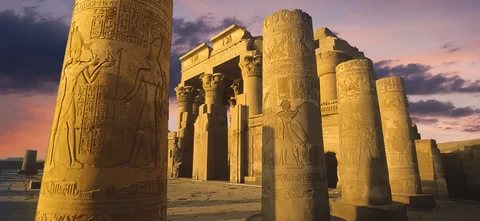
Classic Luxor–Aswan (or reverse): The 3–4 night route between Luxor and Aswan is the most popular, stopping at Esna Lock, Edfu Temple (dedicated to Horus), Kom Ombo (the double temple), and ending in Aswan. This is the quintessential Nile cruise experience.
Extended Cairo to Aswan: Fewer operators offer the full Cairo–Aswan route on traditional dahabiyas (wooden sailing boats), but this week-long journey offers a slower, more intimate experience.
Felucca Sailing: For the adventurous and budget-conscious, overnight felucca trips between Aswan and Edfu (or Luxor) are a beloved backpacker tradition. Spring nights are cool but manageable with blankets.
Egypt spring travel tip: Book your Nile cruise at least 2–3 months in advance for spring, particularly for April sailings that overlap with Sham el-Nessim and Coptic Easter holidays.
Egypt Tourist Crowds in Spring
Understanding Egypt tourist crowds in spring helps you plan smarter and enjoy the monuments without the shoulder-to-shoulder rush.
Crowd Patterns by Month
March: Crowds begin to thin out after the February half-term rush. Early March can still see significant European tour groups, particularly at Luxor and Giza. By mid-to-late March, numbers ease.
April: Generally the sweet spot — not too hot, not too crowded. The exception is the week of Sham el-Nessim and Coptic Easter, when Egyptian domestic tourism surges. Luxor and Aswan see moderate international visitor numbers; Giza and Cairo remain consistently busy.
May: International tourist numbers drop noticeably as temperatures rise. Serious travelers who can handle the heat are rewarded with far fewer crowds at major sites, you may have stretches of Karnak or the Valley of the Kings almost to yourself.
Beating the Crowds: Practical Strategies
Arrive at opening time: Most major sites open at 6:00 or 7:00 AM. Arriving for the first hour, before tour buses unload, is transformative. The Valley of the Kings at 6:00 AM feels genuinely sacred. By 10:00 AM, it’s a different experience.
Visit secondary sites: While everyone queues at Tutankhamun’s tomb (KV62), the tombs of Ramses IV, Merenptah, and Seti II are often nearly empty and equally magnificent.
Use skip-the-line tickets: Pre-book combination tickets for the Pyramids complex online where available, or hire a licensed guide who can expedite entry.
Avoid Fridays at religious sites: Friday midday prayer means some mosques and surrounding areas are busier; schedule visits to Islamic Cairo accordingly.
Hire a private guide: In spring, you’ll have access to excellent licensed Egyptologist guides who aren’t fully booked as in peak season. A knowledgeable guide not only provides context but navigates crowd flow intelligently.
Essential Egypt Spring Travel Tips
- Dress modestly and in layers. Lightweight, loose-fitting clothing in natural fabrics works for the heat. Cover shoulders and knees for mosques and some temples. Evenings in March can be genuinely chilly.
- Hydrate constantly. Egypt’s dry heat is deceptive — you’ll lose water faster than you realize. Carry at least 1.5 liters at all times and eat water-rich fruits like watermelon and oranges freely available at local markets.
- Wear serious sun protection. SPF 50+ sunscreen, a wide-brim hat, and UV-blocking sunglasses are non-negotiable when visiting open-air sites like Giza, Karnak, and Abu Simbel.
- Carry small Egyptian pounds. While larger establishments accept cards, tips (baksheesh), restroom fees, and market purchases require local currency in small denominations.
- Book iconic experiences in advance. Sunrise hot air balloon over Luxor, Sound and Light shows at the Pyramids, Nile dinner cruises, and Abu Simbel flights fill quickly in spring.
- Respect local customs during Ramadan (if applicable). Refrain from eating, drinking, or smoking in public during daylight hours — it’s both culturally respectful and legally enforced in some areas.
- Register with your embassy. For Western travelers especially, registration is a simple precaution for an easy and safe trip.
Final Thoughts
Spring is Egypt at its most inviting, warm enough to feel the ancient world’s energy, cool enough to actually enjoy standing in it for hours. The best places to visit in Egypt in spring reward early risers, curious wanderers, and those who come prepared. Whether you’re watching the sun rise over the Pyramids, drifting past crocodile temples on a Nile cruise in spring Egypt, joining locals for Sham el-Nessim in a Cairo park, or descending into the painted silence of a Luxor tomb, you’ll find that Egypt in spring delivers something that very few destinations in the world can match: the feeling that history isn’t behind you, but all around you.
Planning a spring trip to Egypt? Drop your questions in the comments below, we’d love to help you build your perfect itinerary.