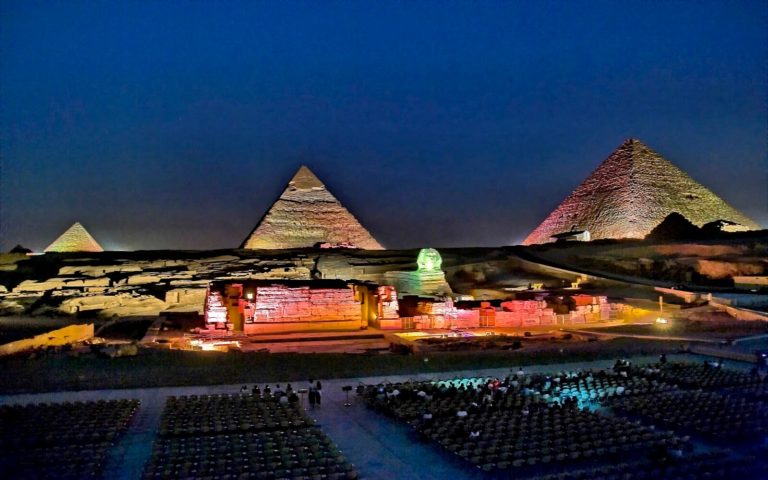
Everyone lands in Egypt with the Great Pyramid of Giza at the top of their list, and it deserves to be there. But if the pyramids are the only stop on your itinerary, you’re missing most of what makes Egypt one of the richest travel destinations on the planet. This is a country of 7,000 years of layered history, a river that built a civilization, deserts that glow gold and white under the moon, and coastlines with some of the best diving in the world.
This guide rounds up 20 places to visit in Egypt beyond the pyramids, real destinations for travelers who want to go further than the standard postcard stop. If you have 5 days or 3 weeks, use this list to build an itinerary that shows you the Egypt most tourists never see.
Quick Answer: Best Places in Egypt Beyond the Pyramids
If you’re short on time, these are the standouts from this list:
- Grand Egyptian Museum: the world’s largest archaeological museum, right next to Giza
- Luxor’s Valley of the Kings: Egypt’s most spectacular tombs
- Abu Simbel: Ramses II’s colossal rock temples
- Siwa Oasis: palm groves, salt lakes, and total silence
- White Desert: surreal chalk formations under the stars
- Dahab: laid-back Red Sea diving town
Now let’s go deeper into all 20.
1. The Grand Egyptian Museum (Giza)
Sitting almost within sight of the pyramids, the Grand Egyptian Museum is one of the newest and most important additions to Egypt’s cultural map. It holds more than 100,000 artifacts, including the complete Tutankhamun collection displayed together for the first time. Even travelers who normally skip museums find themselves spending half a day here. Pair it with your pyramid visit for one unforgettable Giza day.
2. Saqqara and the Step Pyramid of Djoser
Before the smooth-sided pyramids of Giza, there was Saqqara. This necropolis is home to the Step Pyramid of Djoser, widely considered the world’s first monumental stone building, dating back to around the 27th century BC. Saqqara is far less crowded than Giza. So, you can explore the burial complex, tombs, and colonnades at your own pace.
3. Dahshur’s Red and Bent Pyramids
Just south of Saqqara, Dahshur is where ancient builders perfected pyramid engineering. The Bent Pyramid shows an experimental design that changes angle partway up. While the Red Pyramid is considered Egypt’s first successful “true” pyramid. Despite its historical importance, Dahshur sees a fraction of Giza’s visitors. A quiet, atmospheric stop for anyone who loves ancient engineering.
4. Islamic Cairo and Al-Muizz Street
Islamic Cairo is a living open-air museum. Al-Muizz Street alone is lined with centuries-old mosques, madrassas, and mausoleums, and wandering. It feels like stepping backward through Cairo’s medieval history. This is a must for travelers who want architecture and street life over ruins.
5. Khan el-Khalili Bazaar
Egypt’s most famous market has been trading since the 14th century. Explore the narrow lanes filled with spice stalls, lantern shops, jewelry stores, and coffee houses at Khan el-Khalili. Where you can experience Cairo’s everyday rhythm and shop for unique, handcrafted souvenirs instead of mass-produced items.
6. Coptic Cairo
Coptic Cairo is a compact district where Egypt’s Christian heritage comes into focus. Ancient churches, a synagogue, and a mosque sit within walking distance of one another, offering a glimpse into the religious layers that have shaped the country for centuries.
7. Karnak Temple, Luxor
Karnak is the largest religious complex ever built, expanded upon by generations of pharaohs over roughly 2,000 years. Walking through its hypostyle hall, with more than 130 towering columns, is one of the most humbling experiences in Egyptian travel.
8. Valley of the Kings, Luxor
Ancient Egyptians buried pharaohs such as Tutankhamun and Ramses II in magnificent tombs carved deep into the rock. The painted walls, still vivid after more than 3,000 years, make this one of the most extraordinary archaeological sites on earth.
9. Luxor Temple and a Nile Felucca Ride
Luxor Temple glows beautifully at night, when it’s lit against the dark sky. Follow it with a felucca ride on the Nile. A traditional wooden sailboat with no engine, just wind and water. It’s one of the simplest and most memorable ways to see rural Egyptian life drifting by on the riverbanks.
10. Aswan and Philae Temple
Aswan has a slower, more relaxed pace than Luxor or Cairo. Philae Temple, dedicated to the goddess Isis, sits on an island reached by boat and is one of the most beautifully situated temples in the country.
11. Abu Simbel
Carved into a mountainside by Ramses II, the twin temples of Abu Simbel are among the most awe-inspiring monuments in Egypt. The site was famously relocated in the 1960s to avoid being submerged by Lake Nasser, an engineering feat almost as impressive as the temples themselves.
12. A Nubian Village in Aswan
Just across the Nile from Aswan, colorful Nubian villages offer a completely different cultural experience from Pharaonic Egypt. Brightly painted homes, distinct Nubian cuisine. And a warm welcome make this a favorite stop for travelers wanting authentic, community-based tourism.
13. A Nile Cruise Between Luxor and Aswan
A multi-day cruise along the Nile connects many of the sites above while letting you watch palm groves, villages, and farmland slide past at a slow pace. For a more intimate option, a traditional dahabiya sailboat offers a quieter alternative to the larger cruise ships.
14. Alexandria
On the Mediterranean coast, Alexandria feels worlds away from Cairo — breezy, historic, and full of seafood. Highlights include the modern Bibliotheca Alexandrina, the eerie underground Catacombs of Kom El Shoqafa, and Qaitbay Citadel, built on the site of the ancient Lighthouse of Alexandria, one of the Seven Wonders of the Ancient World.
15. Siwa Oasis
Tucked near the Libyan border, Siwa is one of Egypt’s most remote and rewarding destinations. Palm groves, natural salt lakes you can float in effortlessly, and mud-brick ruins create a sense of stillness that’s hard to find elsewhere in the country.
16. The White Desert and Black Desert
Camping under the stars in the White Desert, surrounded by wind-carved chalk formations that glow pale in the moonlight, is one of Egypt’s most surreal experiences. Nearby, the Black Desert’s volcanic hills add a striking contrast of color to the trip.
17. Fayoum Oasis and Wadi El Rayan
Just a couple of hours from Cairo, Fayoum offers waterfalls, desert lakes, and fossil-rich landscapes at Wadi El Rayan, making it an easy and underrated day trip or overnight escape from the capital.
18. Dahab, Red Sea
Dahab is the Red Sea’s laid-back alternative to bigger resort towns. It’s known for the Blue Hole diving site, relaxed beachfront cafés, and a slower pace that draws long-term travelers and dive enthusiasts alike.
19. Sharm El Sheikh and Ras Mohammed National Park
Sharm El Sheikh delivers Egypt’s most polished Red Sea resort experience, with coral reefs just offshore and some of the best snorkeling and diving conditions anywhere in the world. Ras Mohammed National Park, nearby, is a protected marine territory, home to spectacular reef walls and marine life.
20. Mount Sinai and St. Catherine’s Monastery
For a different kind of Egyptian adventure, hike through the night up Mount Sinai to watch the sunrise from one of the most sacred peaks on earth. At its base, St. Catherine’s Monastery is one of the oldest continuously inhabited monasteries in the world.
Egypt Beyond the Pyramids: Suggested Itinerary Tips
- 7–10 days: Cairo (Giza + Grand Egyptian Museum + Islamic Cairo), Luxor, Aswan
- 10–14 days: Add Abu Simbel, a Nile cruise, and Alexandria
- 14+ days: Add Siwa Oasis, the White Desert, or a Red Sea stop like Dahab
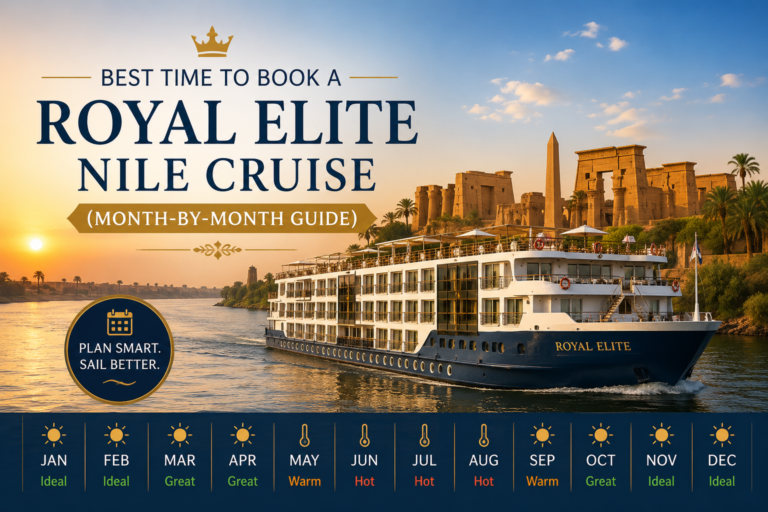
The best time to visit most of these destinations is October through April, when daytime temperatures sit in a comfortable 68–77°F (20–25°C) range. Summer is still workable for Red Sea destinations, where the sea moderates the heat.
Frequently Asked Questions
What is the best place to visit in Egypt besides the pyramids?
Luxor is often considered the top choice, home to Karnak Temple, Luxor Temple, and the Valley of the Kings — sometimes called the world’s greatest open-air museum.
Is Egypt safe for tourists outside of Cairo?
Yes. Well-traveled areas, including Luxor, Aswan, Alexandria, and the Red Sea resort towns, are generally considered safe, with strong tourism infrastructure in place.
How many days do you need to see Egypt beyond the pyramids?
A minimum of 10 days lets you comfortably cover Cairo, a Nile cruise between Luxor and Aswan, and a Red Sea stop. Two weeks or more allows time for the Western Desert oases as well.
What is the most underrated place to visit in Egypt?
Siwa Oasis and the White Desert are consistently mentioned by experienced travelers as the country’s most overlooked, quietly spectacular destinations.
Final Thoughts
The pyramids will always be Egypt’s headline act, but they’re really just the opening chapter. From Nubian villages and Red Sea reefs to salt lakes in Siwa and temples carved into mountainsides at Abu Simbel, this is a country built for travelers who like to go further than the highlight reel. Use this list to build an itinerary that goes far beyond the postcard and shows you the Egypt that keeps people coming back.