If you’ve spent any time googling “how much does a trip to Egypt cost,” you’ve probably noticed the numbers are all over the place. One site says you can do it on $30 a day. Another quotes $300. Neither is lying, exactly. They’re just talking about completely different trips.
So let’s cut through it. Here’s what your money actually buys in Egypt in 2026, broken down by travel style, so you can build a budget that matches the trip you actually want, not a stranger’s idea of one.
Quick Answer: Daily Budget at a Glance
Before we get into the details, here’s the short version:
| Travel Style | Daily Budget (per person) | 10-Day Trip (excl. flights) |
| Backpacker / Budget | $40 – $60 | $500 – $700 |
| Mid-Range / Comfort | $100 – $180 | $1,200 – $1,900 |
| Luxury / Premium | $280 – $400+ | $2,800 – $4,000+ |
These figures cover accommodation, meals, local transport, entrance fees, and guided activities inside Egypt. International flights, visas, and travel insurance are separate line items, which we’ll cover below.
The good news for anyone planning a trip right now: Egypt’s currency has weakened considerably against the dollar, euro, and pound in recent years, which means your money goes noticeably further than it did even five years ago.
Why Egypt’s Prices Are So Confusing to Research
Two things throw people off when they research Egypt costs.
First, the exchange rate. With the Egyptian pound trading at roughly 48–50 to the US dollar in 2026, prices that look enormous in local currency translate into surprisingly small dollar amounts. A hotel dinner listed at 500 EGP is around $10, not the $500 your brain briefly panics about.
Second, “tourist Egypt” and “local Egypt” run on two completely different price lists. A bottle of water costs a fraction as much from a corner shop as it does from a vendor standing at the Pyramids gate. A meal at a restaurant frequented mostly by locals can cost a fifth of what the same dish costs at a hotel restaurant a few streets away. Neither is a rip-off exactly — one is simply priced for tourists, and the gap is wider in Egypt than in most destinations.
With that context, here’s what each part of your trip actually costs.
Accommodation: $10 to $500+ a Night
Egypt covers the entire spectrum:
- Hostel dorms and budget guesthouses: roughly $5–$25 a night, more common in Cairo, Luxor, and Aswan
- Comfortable 3–4 star hotels: roughly $40–$120 a night, often including breakfast
- International 4–5 star chains: roughly $160–$330 a night
- Top-tier suites and boutique Nile-view properties: $400–$500+ a night
Here’s something worth knowing before you assume cheaper is always worse: because the overall market is so affordable, you can often land a double room in a genuinely nice hotel for $50–$70 a night without stretching into backpacker territory. The jump from “basic” to “comfortable” in Egypt costs far less than the same jump in Europe.
One caution: extremely cheap, unlicensed guesthouses do exist and occasionally come with real problems — inconsistent water or power, safety concerns, no accountability if something goes wrong. Sticking to well-reviewed properties or known local chains is worth the extra few dollars.
Food: $5 to $50+ a Day
This is where your daily budget has the most flexibility.
- Street food and local cafés: $3–$7 per meal — koshary, ful medames, shawarma, and fresh juice stalls (mango and sugarcane juice often cost well under $1)
- Mid-range, tourist-friendly restaurants: $10–$25 per meal
- Fine dining or hotel restaurants: $25–$50+ per meal
A useful rule of thumb: eating where Egyptians actually eat isn’t a “budget hack,” it’s usually just better food, and it costs a fraction of what you’d pay a few streets over at a restaurant aimed at tour groups. Alcohol is the one exception to Egypt’s affordability — it’s heavily taxed and sold mainly through licensed hotels and restaurants, so a beer or glass of wine can add $5–$15 a day if that matters to you.
Getting Around: $1 to $300 a Day
Local transport in Egypt is genuinely cheap:
- Cairo Metro: roughly $0.25–$0.50 a ride
- Uber or Careem: $3–$8 for most short city trips
- Regular taxis (negotiated): $5–$12
- Trains between cities (e.g., Cairo–Alexandria): now carry a separate foreign-visitor fare, generally landing around $15–$20 for a comfortable class
Getting between Cairo, Luxor, and Aswan is really where budgets diverge. Domestic flights run roughly $80–$200 one-way, while an overnight sleeper train is cheaper but slower. Many travelers solve this problem entirely by booking a Nile cruise, which bundles transport, accommodation, and meals between Luxor and Aswan into one price — often working out more efficient than paying for each piece separately.
Entrance Fees: Budget $100–$200 for the Classics
Egypt’s monuments are extraordinary value considering what you’re looking at, but the fees add up faster than people expect if you’re visiting several sites a day.
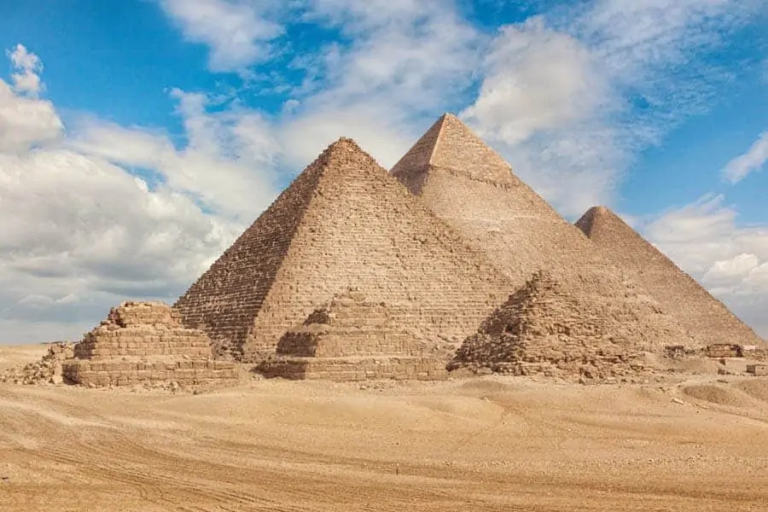
- Giza Pyramids and Sphinx: around $15 general admission (entering the Great Pyramid’s interior chambers costs extra, roughly $30)
- Grand Egyptian Museum: around $25–$30
- Valley of the Kings: base ticket plus separate add-on tickets for specific tombs (Tutankhamun’s and Seti I’s tombs cost extra)
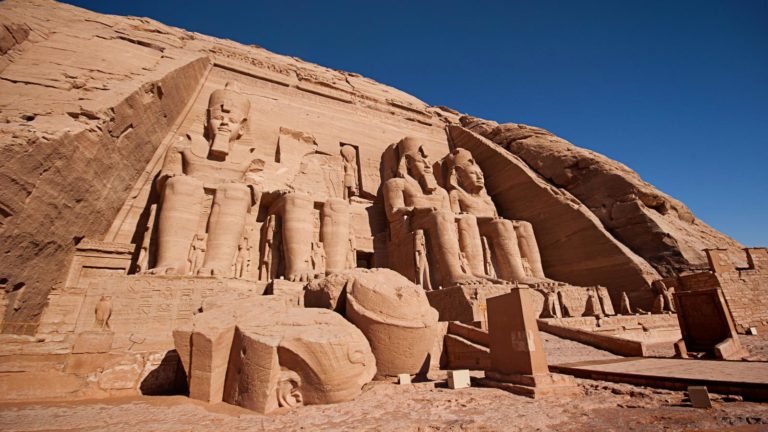
- Karnak Temple, Philae Temple, Abu Simbel: generally $10–$20 each
Budgeting $150–$200 per person for entrance fees across a 7–10 day classic itinerary is realistic. One practical 2026 note: many Egyptian sites and museums have moved to card-only payment at the ticket counter, so don’t rely on having exact cash for entry.
Nile Cruises: The Line Item Worth Planning Around
If a Nile cruise is part of your trip — and for most first-time visitors, it should be — this is usually the single biggest chunk of your Egypt budget after flights, and also the best value per dollar.
- Standard 3–5 night cruises: roughly $250–$450 per person, all-inclusive of meals, cabin, and shore excursions
- Mid-range cruises with better ships and service: roughly $450–$700
- Luxury cruises and traditional dahabiyas: roughly $800–$1,600+
Because meals, accommodation, transport between Luxor and Aswan, and guided excursions to sites like Edfu and Kom Ombo are all bundled in, a cruise often simplifies your budgeting more than it complicates it. It’s one price for several days of a trip that would otherwise involve juggling hotels, drivers, and guides separately.
Visa, SIM Card, and Other One-Time Costs
A few costs hit once, not daily, but people often forget to budget for them:
- Entry visa: around $25, whether through the e-visa portal in advance or on arrival at the airport
- Local SIM or eSIM: $5–$15 for a tourist data plan, worth it for maps and ride-hailing apps alone
- Travel insurance: roughly $50–$150 for a 10-day trip. And genuinely worth having given how much ground-based activity (deserts, boats, heat) is involved in an Egypt itinerary
Tipping: The Cost People Most Often Underestimate
Tipping, locally called baksheesh, is woven into daily life in Egypt far more than in most destinations, and it’s easy to underbudget. A reasonable planning figure is 5–10% of your total trip cost, covering guides, drivers, cruise staff. And the small tips expected for things like bathroom attendants or someone helping with your bags. It sounds minor line by line, but across a week or two it can add up to $50–$150 per person.
Sample Daily Budgets
Backpacker ($40–$60/day): hostel dorm or basic guesthouse, street food and local restaurants, public transport and shared rides, standard entrance tickets, occasional group day tour.
Mid-Range / Comfort ($100–$180/day): 3–4-star hotel with breakfast, a mix of local and tourist-friendly restaurants, private taxis or ride-hailing, guided day tours with an Egyptologist. A Nile cruise segment included in the trip.
Luxury ($280–$400+/day): 4–5-star hotels or Nile-view suites, private guide and driver throughout, fine dining. A premium or dahabiya cruise, skip-the-line and after-hours access at major sites.
So, Is Egypt Expensive?
Compared to Western Europe or North America, no, not even close. A meal, hotel night, or private tour that would cost you double or triple in London, Paris, or New York is genuinely one of the best-value trips available anywhere in the world right now, especially given what you’re actually seeing: the Pyramids, the Valley of the Kings, Abu Simbel, and a cruise down one of the most storied rivers on Earth.
The honest answer to “how much does a trip to Egypt cost?” isn’t a single number. It’s whichever of the three budgets above matches how you like to travel. What Egypt does better than almost anywhere else is let you move up a comfort tier without the price jumping the way it would elsewhere.
If you’d rather skip the spreadsheet entirely, that’s exactly what a well-planned package handles for you: accommodation, cruise, guides, and transport bundled into one upfront price, with no surprise costs once you land.
Frequently Asked Questions
How much money do I need per day in Egypt?
Plan on $40–$60/day for a backpacker trip, $100–$180/day for a comfortable mid-range trip, and $280+/day for a luxury experience, not including international flights.
Is Egypt cheaper than most European destinations?
Yes. Thanks to the exchange rate, everyday costs like food, local transport, and even many hotels run at roughly half of comparable Western European prices or less.
Do I need cash or a card in Egypt?
Both. Many archaeological sites and museums now require card payment at the ticket counter, but cash (EGP) is still essential for tipping, street food, and smaller local vendors.
How much should I budget for tipping in Egypt?
A good rule of thumb is 5–10% of your total trip budget, since tipping guides, drivers, and cruise staff is a standard and expected part of travel in Egypt.
Is a Nile cruise worth the cost?
For most travelers, yes. It bundles accommodation, meals, transport, and guided excursions between Luxor and Aswan into one price, which often works out more efficiently than arranging each piece separately. At Nile Holiday, our cruise packages are built this way from the start, so there are no surprise add-ons once you’re on board.
How can I plan an Egypt trip that fits my exact budget?
The easiest way is to work with a local specialist who can tailor the itinerary to your budget rather than sell you a fixed package. At Nile Holiday, we build custom Egypt itineraries around what you want to spend, whether that’s a backpacker-friendly trip or a fully private luxury experience.