Egypt is one of those destinations that can genuinely leave you speechless and slightly overwhelmed. Whether you’ve got a long weekend or two full weeks, knowing how to make the most of your time here is everything.
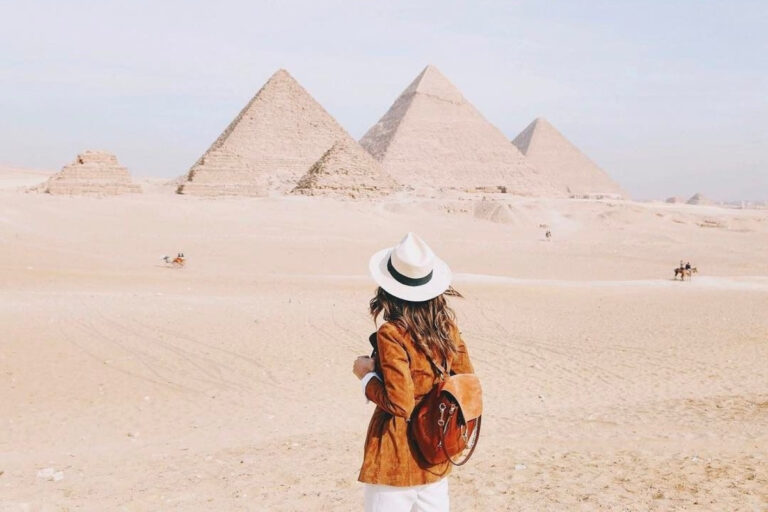
Let’s be honest, when most people think about Egypt, they picture the pyramids. But Egypt is so much more than a single iconic postcard shot. It’s thousands of years of layered history, a living river culture, desert landscapes that defy imagination, and temples that were already ancient when Rome was being built.
The real question isn’t just how many days, it’s about what kind of traveller you are, which experiences matter most to you, and how you like to move through a destination. So let’s break it all down, honestly and practically.
How Many Days Do You Really Need?
5 Days: Rush trip / Greatest hits only
7 Days: Sweet spot / Most popular choice
10 Days: Ideal depth / Recommended for first-timers
14 Days: Full experience / The grand tour
Most travel experts agree that 10 days is the sweet spot for first-timers who want to see Cairo, Luxor, Aswan, and possibly the Red Sea, without feeling like you’re sprinting through every monument.
The 5-Day Egypt Itinerary — For the Time-Strapped Traveller
Got only 5 days? Don’t panic. You won’t see everything, but you will see the most iconic sights in the world if you focus. This plan keeps you primarily in Cairo and Giza, with a quick Luxor flight if you’re feeling adventurous.
Day 1 — Arrival in Cairo
Land, check in, and take it easy. Cairo is loud, sensory, and wonderful — but jet lag is real. Walk around your neighbourhood in the evening, grab koshary (Egypt’s beloved street food), and settle in. Don’t try to squeeze sightseeing in on arrival day.
Day 2: The Giza Plateau
Wake up early. The pyramids at sunrise with a thin mist over the desert are something that stays with you forever. Spend your whole morning here — the Great Pyramid, the Sphinx, the Solar Boat Museum. After lunch, visit the Giza Sound and Light show in the evening if you’re not too tired.
Day 3: Egyptian Museum & Islamic Cairo
Morning at the Egyptian Museum in Tahrir Square (don’t miss the Tutankhamun galleries). Afternoon in Islamic Cairo: Al-Muizz Street, the Mosque of Ibn Tulun, and the Khan el-Khalili bazaar. Go slow, bargain gently, drink tea.
Day 4: Day Trip to Luxor (Optional)
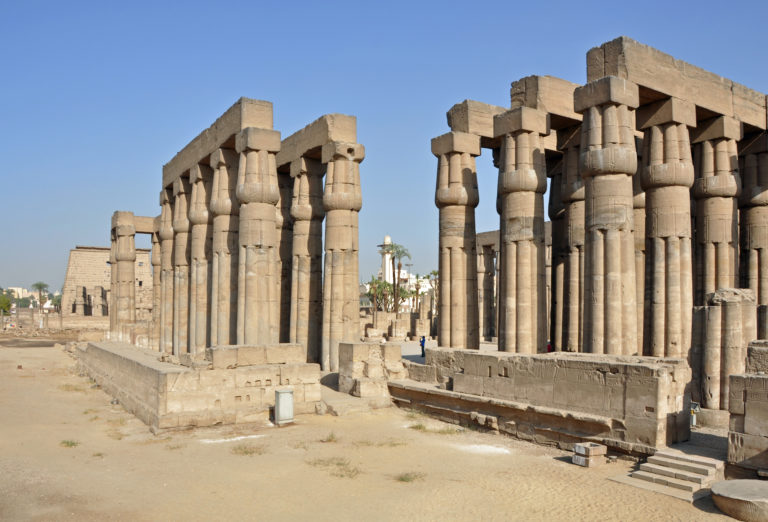
Fly to Luxor for a 1-day whirlwind. Karnak Temple in the morning is a must — it’s the largest religious complex ever built. Cross to the West Bank in the afternoon: Valley of the Kings, where you’ll find Tutankhamun’s tomb. Fly back to Cairo in the evening.
Day 5: Grand Egyptian Museum & Departure
The new Grand Egyptian Museum (GEM) near Giza is one of the most remarkable museums in the world. It houses 100,000+ artefacts and the complete Tutankhamun collection. Then off to the airport.
The 7-Day Egypt Itinerary — The Most Popular Choice
Seven days is where things start to feel like a real journey rather than a highlight reel. You get Cairo, you get Luxor properly, and you get a taste of Aswan. Many travellers consider this the minimum for a satisfying first trip.
Days 1–2: Cairo & Giza
Same as the 5-day plan: arrival, Giza Plateau, Egyptian or Grand Egyptian Museum, and Islamic Cairo. With two full days, you can breathe a little more and add Coptic Cairo — home to some of the oldest Christian churches in the world.
Days 3–4: Luxor
Fly or take the overnight train to Luxor. Day 3: East Bank — Karnak Temple and Luxor Temple at sunset (magical). Day 4: West Bank — Valley of the Kings, Valley of the Queens, Hatshepsut Temple, and the Colossi of Memnon. Hire a local guide; the context they provide is priceless.
Day 5: Travel to Aswan
Train or felucca from Luxor south to Aswan. Check in, walk the riverside Corniche, explore the Nubian market, and watch the sun set over Elephantine Island.
Day 6: Aswan & Abu Simbel Day Trip
Rise at 3am for the drive to Abu Simbel. Yes, that early, but it’s absolutely worth it. Ramesses II’s two temples carved directly into the rock face are breathtaking. Return to Aswan. Visit the Philae Temple and take a sunset felucca ride on the Nile.
Day 7: Fly Back to Cairo & Departure
Morning flight back to Cairo. If your international flight is late evening, squeeze in the Grand Egyptian Museum or a final stroll through Khan el-Khalili.
The 10-Day Egypt Itinerary — The Ideal First Trip
Ten days is the magic number. You’re no longer rushing. You can linger at temples, take an actual Nile cruise, and even squeeze in the Red Sea. This is the itinerary recommended for almost anyone visiting Egypt for the first time.
Days 1–3: Cairo
Three days in Cairo means you can actually enjoy the city. 1 day, Old Cairo (Coptic quarter + Amr Ibn al-As mosque). 2 day, Giza Plateau at sunrise, then the Grand Egyptian Museum. Day 3, Islamic Cairo,Al-Muizz, the Citadel of Saladin, Mohamed Ali Mosque, and Khan el-Khalili.
Day 4: Fly to Luxor
Morning flight to Luxor. Afternoon: Luxor Temple, which is even more atmospheric after dark when lit up.
Day 5: West Bank, Luxor
Full day on the West Bank. Valley of the Kings (aim for at least 3 tombs). Deir el-Bahari. Workers’ Village at Deir el-Medina — rare window into ordinary ancient life.
Day 6: Karnak + Start Nile Cruise
Morning at Karnak Temple, budget at least 3 hours. Afternoon: board a 3-night Nile cruise from Luxor to Aswan.
Days 7–8: Nile Cruise (Esna to Kom Ombo to Edfu)
Stop at Edfu Temple (one of the best-preserved temples in Egypt) and Kom Ombo (a double temple dedicated to Sobek and Horus the Elder). The pace here is blissful.
Day 9: Aswan & Abu Simbel
Arrive in Aswan. Early morning drive to Abu Simbel. Back to Aswan for Philae Temple and a Nubian village visit.
Day 10: Fly Back to Cairo & Departure
Morning at leisure in Aswan — the Nubian Museum is excellent and often overlooked. Afternoon flight to Cairo for your international connection.
Best Temples to Prioritise
•Karnak (Luxor): the largest religious complex ever built
•Abu Simbel (near Aswan): the most dramatic rock-cut temples in the world
• Philae (Aswan): stunning island setting, beautifully preserved
•Edfu: best-preserved Ptolemaic temple, feels almost untouched
•Hatshepsut (West Bank): architecturally unique, incredibly photogenic
The 14-Day Egypt Itinerary — The Full Egyptian Experience
Two weeks in Egypt gives you the freedom to go deep. You can include the Sinai Peninsula, the White Desert, the Red Sea coast. And still spend proper time at every major historical site without ever feeling rushed.
Days 1–3: Cairo (Extended)
Beyond the standard sights, explore contemporary art in Zamalek, day trip to Memphis and Saqqara (Step Pyramid of Djoser, the world’s first pyramid), and the Dahshur pyramids (Bent Pyramid and Red Pyramid).
Day 4: White Desert Day Trip
Drive southwest into the Sahara. The White Desert National Park, with its surreal chalk formations rising from golden sand, is one of Egypt’s most spectacular and least-visited landscapes. Overnight camping under the stars.
Days 5–6: Luxor (East & West Banks)
Two full days in Luxor without rushing. Include Luxor Museum, and the tomb of Nefertari in the Valley of the Queens, arguably the most beautiful painted tomb in Egypt.
Days 7–9: Nile Cruise
Three-night cruise from Luxor to Aswan, stopping at Esna, Edfu, and Kom Ombo. Consider a smaller boutique cruise ship for a more personal experience.
Days 10–11: Aswan & Nubia
Two days in Aswan: Abu Simbel, Philae, the High Dam, the Nubian Museum, and a Nubian village visit. The Nubian culture is one of Egypt’s living cultural treasures.
Days 12–13: Red Sea (Dahab or Hurghada)
Fly to Sharm el-Sheikh or Hurghada. Dahab is beloved for its laid-back atmosphere and world-class dive sites including the famous Blue Hole. The Red Sea coral reefs are genuinely among the best in the world.
Day 14: Return to Cairo & Departure
Final flight back to Cairo. If time allows, the Museum of Islamic Art is a hidden gem. One of the finest collections of Islamic art in the world, and often quiet.
FAQ — Egypt Travel Questions Answered
Is 5 days enough for Egypt?
Five days is enough to see the pyramids, the Egyptian Museum, and do a day trip to Luxor. You won’t see everything, but you’ll experience the iconic highlights and leave with memories that last a lifetime. Think of it as Egypt: Volume 1.
Can you do Egypt in 7 days?
Absolutely, and many people do. Seven days covers Cairo, Luxor, and Aswan comfortably if you use internal flights and plan well. It’s not leisurely, but it’s entirely doable and deeply rewarding.
Is a Nile cruise worth it?
Yes, genuinely. A 3–4 night cruise between Luxor and Aswan is one of the most atmospheric ways to experience ancient Egypt. You float past the same riverbanks that pharaohs have used for 5,000 years. The temples accessed from the cruise — Edfu, Kom Ombo — are spectacular.
What is the single best thing to see in Egypt?
If forced to pick one: the Karnak Temple complex in Luxor. The scale is staggering, the atmosphere is otherworldly, and the history layered into every stone spans 2,000 years of building. Nothing quite prepares you for the Hypostyle Hall, 134 columns, some rising 21 metres high, every surface covered in hieroglyphs.
How early should you book Egypt travel?
For peak season (November–February), book flights and hotels 3–6 months in advance. Nile cruise availability can get tight, book those as early as possible. For shoulder season, you can often get good deals with 6–8 weeks’ notice.